The jump from preschool to kindergarten isn’t just about changing classrooms. It’s a big, emotional, and often complex step for both children and families. One day, your little one is playing dress-up with lifelong friends, and the next, you’re waving goodbye as they bravely walk into a brightly lit kindergarten, ready to meet new faces and face unfamiliar routines.
At Buttons ’n Bows Preschool, we help families in Holladay and Cottonwood Heights, Utah, prepare for this milestone every year, and we know firsthand how much peace of mind comes from being well-prepared. Whether your child is outgoing or shy, eager or a bit nervous, this preschool to kindergarten transition guide will walk you through the essentials, the unknowns, and the practical details that matter most, so you’re not just ready, you’re excited.
Preschool to Kindergarten Readiness: Looking Beyond ABCs and 123s
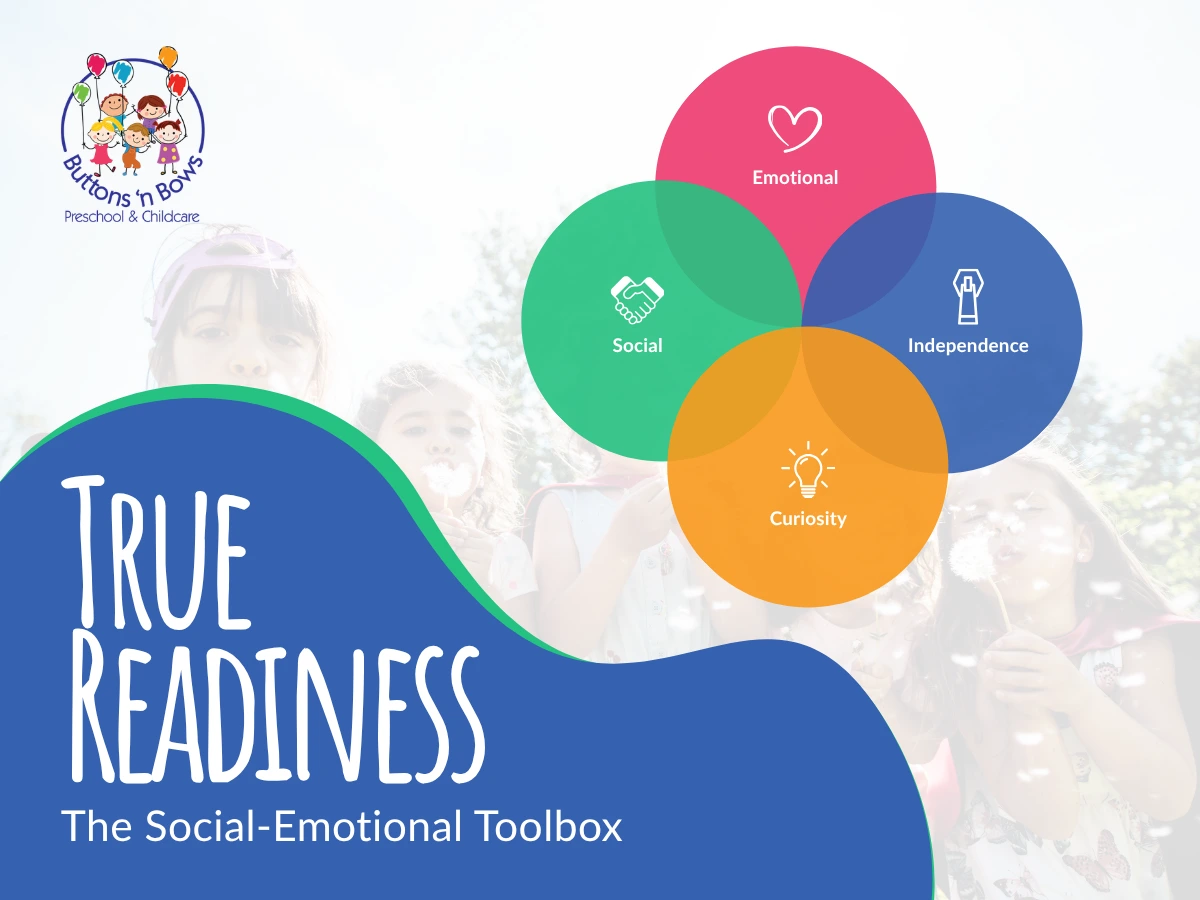
Every parent wonders: Is my child really ready for kindergarten? It’s a question that can keep you up at night, especially as the first day draws near. Kindergarten readiness isn’t only about knowing colors, shapes, or even being able to write a name. True readiness is a beautiful blend of emotional maturity, blossoming social skills, everyday independence, and enough curiosity to light a spark for learning.
Think about preschool as a cocoon. A nurturing, familiar world with lots of flexibility, free play, and comforting structure. Kindergarten, by comparison, asks children to spread their wings just a little bit farther: practicing self-control, managing emotions, and stepping up to new levels of independence in a more structured environment. The mix of play and structure may look different, but your child’s emotional and social toolbox will carry them far.
What does kindergarten readiness actually mean?
- Emotional Regulation: Can your child talk about big feelings and bounce back from disappointments most days? Kindergarteners don’t need to be “perfect”, but they do need a basic vocabulary for feelings.
- Social Skills: Are they able to share toys, take turns, resolve small conflicts, and express their needs to an adult? Can they listen when others are talking and join group activities, even if it’s new to them?
- Independence: Do they manage zippers, shoes, and bathroom basics with minimal help? This daily independence creates a sense of accomplishment and makes every school day smoother.
- Curiosity & Confidence: Do they enjoy asking questions and exploring new ideas without fear of mistakes?
Often, children who can express their feelings, ask for help, and adapt to new situations (even with some hesitation) are the ones who settle most quickly. These “soft skills” are the keys that open doors to successful academic learning.
Kindergarten Preparation Milestones: A Year-Before Roadmap
Kindergarten success is a journey, not a leap, and the road is rarely perfectly smooth. That is why it helps to break preparation into manageable steps across the year leading up to kindergarten, with plenty of room to honor your child’s unique development.
Below is a roadmap you can use at home to build practical readiness skills over time. It supports the same big goals many Utah kindergarten classrooms expect, including emotional readiness, independence, and the ability to participate in group routines.
| Timeline | Focus | At-Home Activities |
| 6-9 Months Before | Independence | Practice zipping coats and managing shoes. Give small responsibilities at home, like feeding a pet or clearing the table. |
| 3-6 Months Before | Social Confidence | Arrange playdates, especially with potential future classmates. Practice greeting new adults and children. Talk about friendship, sharing, and using words to solve problems. |
| 1-3 Months Before | Routine Building | Shift bedtime and morning routines to match the upcoming school schedule. Practice a “school morning,” including eating, dressing, and leaving on time. Discuss expectations like sitting in a group, waiting in line, and following directions. |
| 1 Month Before | Familiarity | Visit the kindergarten building if possible. Tour the classroom, playground, and cafeteria if available. Read books about starting kindergarten. Practice the commute or school bus routine. |
Every child navigates these milestones at their own pace, and that is okay. The goal is not perfection. The goal is to build confidence through many small wins leading up to a big first day.
Early Childhood Learning Transition Challenges and How to Tackle Them
Here are common early childhood learning transition challenges, along with practical ways to support your child.
The Fatigue Factor
Kindergarten days are longer and more structured, and they can be emotionally draining for young children who are still mastering self-regulation. Expect some after-school meltdown moments or extra clinginess. Many families encounter “restraint collapse,” where children manage their emotions all day but release them once they’re back with their safe person.
What helps:
- Keep after-school time calm and predictable for the first few weeks.
- Offer a snack and quiet time before asking lots of questions.
- Limit extra commitments in the early weeks so your child can rest.
Shifting Social Dynamics
If your child was a confident “leader” in preschool, being the youngest in a new setting may feel daunting. Navigating new friendship circles, learning classroom culture, or being separated from old friends can cause temporary anxiety.
What helps:
- Validate feelings with calm confidence: “It can feel big at first, but you will find your way.”
- Use dinner time or bedtime to invite simple stories about the day.
- Practice social scripts at home: “Can I play with you?” or “Can I have a turn when you’re done?”
The Return of Separation Anxiety
Just when you thought your child had outgrown goodbye tears, they might resurface. Remember: this is temporary.
What helps:
- Keep drop-off routines short, consistent, and calm.
- Avoid long goodbyes that increase distress.
- If the school allows, send a small comfort item, such as a family photo.
Navigating New Expectations
Kindergarten introduces new behavioral and learning expectations. Children may worry about practical details, like finding the bathroom, opening lunch items, or remembering where to go.
What helps:
- Role-play school scenarios at home, such as lining up, raising a hand, and asking for help.
- Practice bathroom independence and handwashing routines.
- Test lunch containers at home and swap anything that feels too difficult.
Preschool Curriculum Continuity: Bridging the Classroom Experience
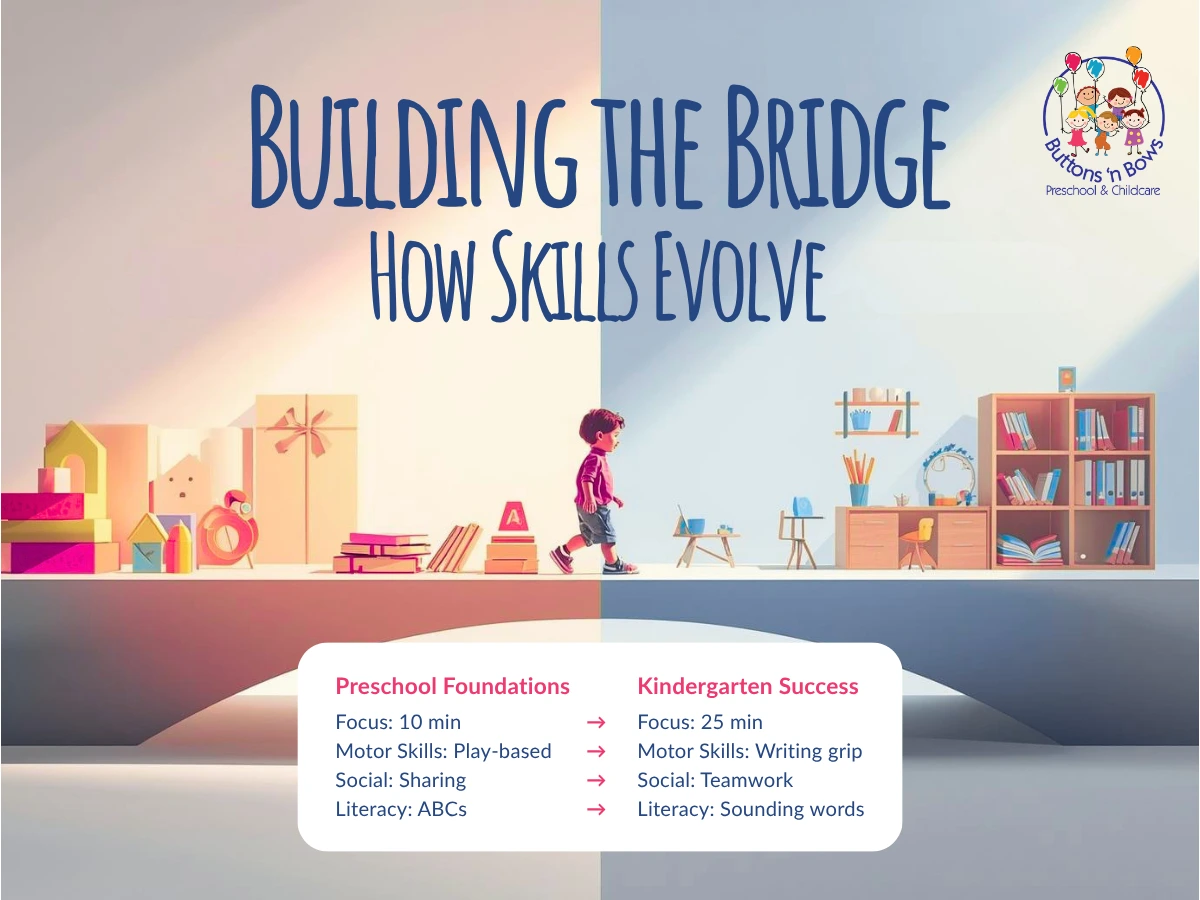
A common worry for parents is the “academic cliff”: the fear that the joy of preschool play will be abruptly replaced by rigid desks and worksheets. In reality, a high-quality transition isn’t about changing how children learn; it’s about expanding the stamina they’ve already built.
The best kindergarten classrooms build on “preschool curriculum continuity.” This means taking the foundational seeds planted in preschool and helping them bloom into more formal skills.
The Skill Evolution: From Preschool to Kindergarten
To help you visualize this bridge, here is how common preschool activities evolve into kindergarten expectations:
| The Preschool Foundation | The Kindergarten Leap |
| Focus Stamina: Sitting for a 10-minute story or circle time. | Extended Learning: Engaging in 20–25 minutes of guided instruction or small-group work. |
| Fine Motor Play: Using playdough, tweezers, and finger painting. | Functional Writing: Developing the “tripod grip” to write letters and draw detailed pictures. |
| Social Navigation: Learning to share a toy with a peer. | Collaborative Learning: Working in a small “station” or group to solve a simple problem together. |
| Pre-Literacy: Recognizing their own name and singing the alphabet. | Phonetic Awareness: Connecting sounds to letters to begin “sounding out” simple words. |
How We Bridge the Gap
At Buttons ’n Bows, we don’t just teach these skills; we weave them into the day so they feel natural. We bridge the experience by:
- Gradual Routine Shifts: In the spring, we slightly lengthen our group times to help children build the “sitting muscles” they’ll need in the fall.
- Language-Rich Environments: We move from identifying objects to narrating stories, helping children find the words to describe their world.
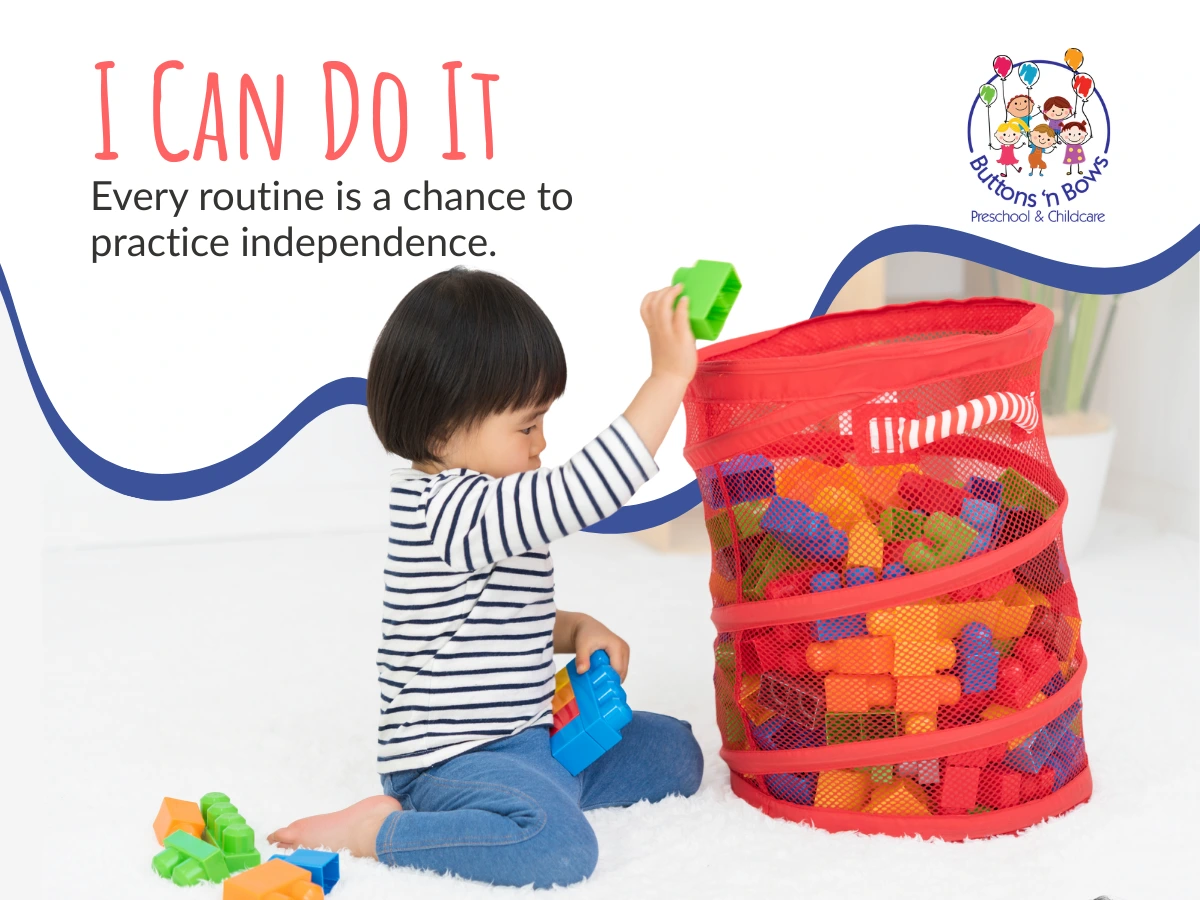
- The “I Can Do It” Philosophy: We prioritize self-help skills, like clearing their own plate or packing their own bag, so that the “big school” logistics don’t feel overwhelming.
When preschool is intentional about this continuity, kindergarten doesn’t feel like a scary new world. It feels like the next exciting chapter of a story they’ve already started writing. You can also review school readiness guidance from the NAEYC kindergarten transition resources to understand how strong programs support this progression.
If you want to learn more about how our classrooms build these school readiness foundations for children in Holladay and Cottonwood Heights, you can explore our programs here.
Parent Support for Transition: How Buttons ’n Bows Helps Families Feel Ready
Your partnership is one of the most powerful tools for a smooth transition from preschool to kindergarten. Children borrow confidence from the adults who guide them, and steady support at home helps them feel calmer and more capable at school. The best part is that support does not need to be complicated. It just needs to be consistent, practical, and encouraging.
Preparing Your Child for Kindergarten Success
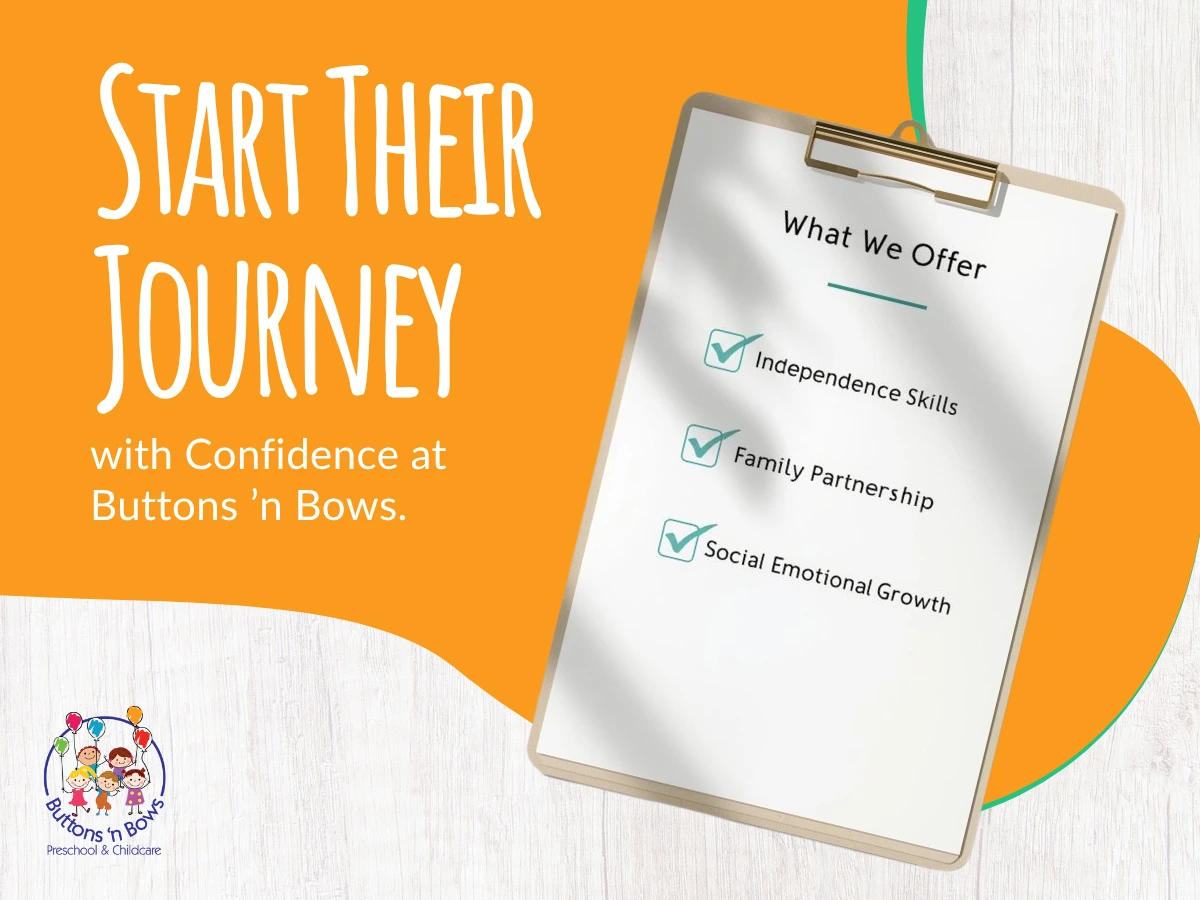
If you are preparing for kindergarten and want your child to walk into that first classroom with calm confidence, the right preschool experience can make a meaningful difference. Buttons ’n Bows Preschool is proud to support families through this milestone with consistent guidance, meaningful learning, and a community that feels like home.
We build readiness through daily routines and joyful learning. Independence skills like following directions, managing belongings, and participating in group activities are woven into everyday life, often alongside experiences like swimming lessons, yoga, puppet shows, and picnics at the park.
We partner with families, not just students. Events like Donuts with Dad, Mothers’ Tea, Halloween Parade, and our annual school Carnival give families meaningful ways to connect, celebrate, and stay involved.
We focus on the whole child and the whole family. Kindergarten readiness goes beyond academics, so we support social-emotional growth, communication, and self-help skills that help kindergarten feel manageable and exciting.
Would you like to see how our play-based curriculum prepares your child for the transition to “Big School”? Schedule a tour at our Holladay or Cottonwood Heights locations today. Let’s start building that bridge together.