One day, your child is toddling around the house, and the next, they are asking big questions, making new friends, and outgrowing everything, including their current classroom. It is one of the most exciting seasons of early childhood, and it is also when the question of preschool vs pre-k starts to feel genuinely urgent.
You are not alone in wondering where your child fits. At Buttons ‘N Bows, we believe that asking this question in the first place means you are already thinking carefully about your child’s growth. The truth is that preschool and pre-k are not interchangeable. They serve different purposes, support different milestones, and are each designed to meet children exactly where they are developmentally. It is a transition we navigate daily with families throughout Salt Lake County as they evaluate our early childhood educational programs.
Here are five meaningful differences that go far beyond age alone. Whether you are skimming on your phone between pickups or reading closely at naptime, this breakdown will help you feel clear and confident about which stage is the right fit for your child right now.
What Is Pre-K and How Does It Compare to Preschool?
Before we dig into the differences, it helps to clear up the basics. Preschool generally serves children ages 3 to 4. It is often a child’s first structured experience outside the home, with a focus on play, exploration, and learning to be part of a group.
What is pre-k? Short for pre-kindergarten, this track typically serves children ages 4 to 5. Think of it as the bridge year. It builds on everything a child learned in preschool and gently shifts toward the routines, focus, and independence that kindergarten will expect.
Here is the part many parents miss: the jump from one to the next is not just about a birthday. A child does not automatically belong in pre-k the day they turn 4. Real readiness blends age with a handful of developmental signals, and that is where the five differences below come into play.
At a Glance: Preschool vs Pre-K
| Feature | Preschool (Ages 3–4) | Pre-K (Ages 4–5) |
| Focus | Play, exploration, socialization | Kindergarten readiness, structured learning |
| Independence | Guided by teachers throughout the day | Encouraged to self-manage routines |
| Emotional Skills | Learning to share, take turns, name feelings | Managing emotions, resolving conflicts, showing empathy |
| Enrichment | Sensory play, music, movement | Yoga, science workshops, swimming, field trips |
| Communication | Daily care updates | Partnership focused on developmental milestones |
1. Preschool or Pre-K: How Does Readiness Differ?
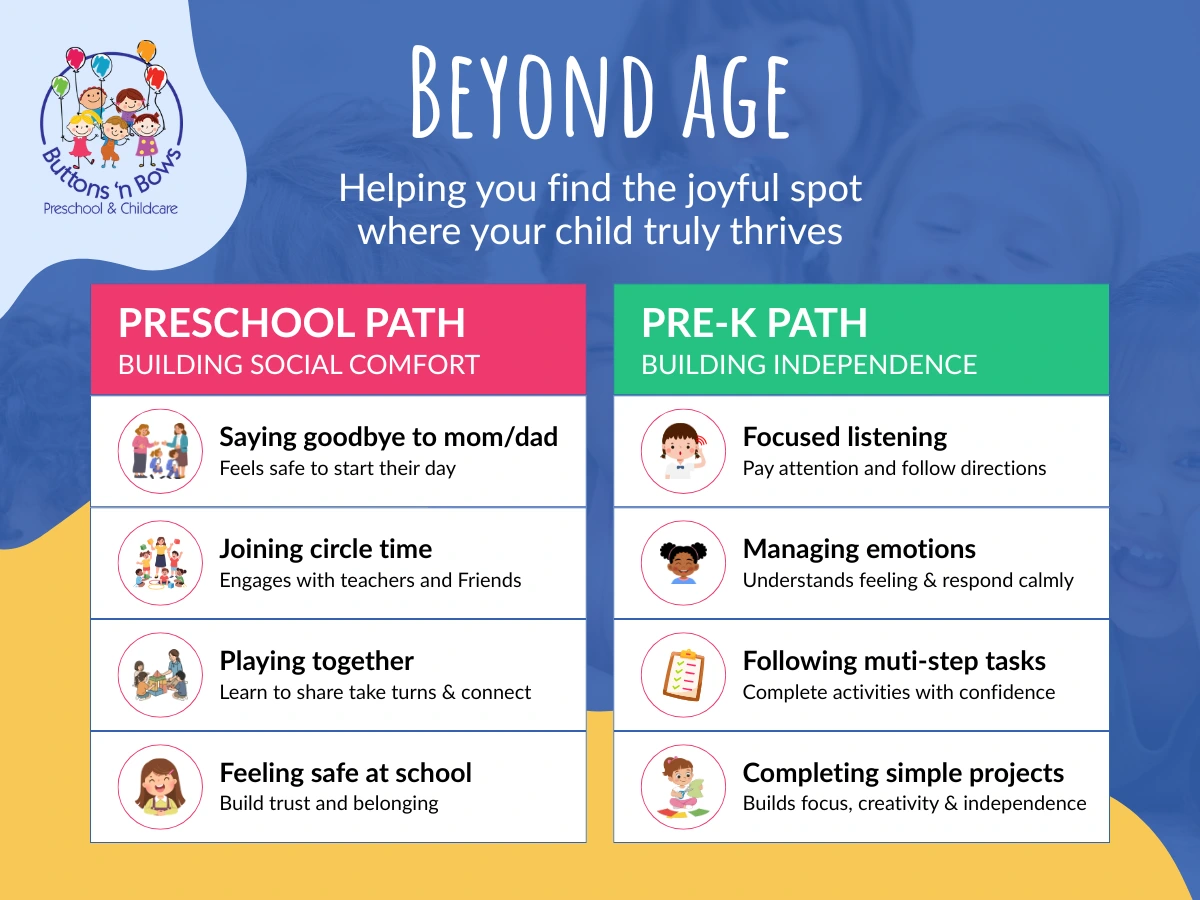
One of the biggest factors in the difference between preschool and pre-k is what readiness actually means for each program. That is why the first place to look is how each stage defines readiness.
The Preschool Starting Line
In preschool, readiness is wonderfully simple. Can your child separate from you for a few hours? Can they begin to follow a basic routine and show interest in playing near other children? That is enough. Preschool is designed to nurture these very early skills, so children do not need to arrive with them fully formed.
The Pre-K Benchmark
Pre-k asks for a bit more. By this point, we look for children who can sustain focus during a group activity, such as a story or an art project, who can begin to manage their feelings when something does not go their way, and who can handle small self-care tasks, such as washing their hands or putting on a jacket.
This is why we lean on a readiness framework rather than a strict age cutoff. A child turning 4 is one signal, but their ability to engage, cooperate, and express their needs tells us much more. When we evaluate a child for the pre-k track, we are really asking whether they are ready to thrive, not just whether they meet a number.
2. Independence Grows From Guided to Self-Directed
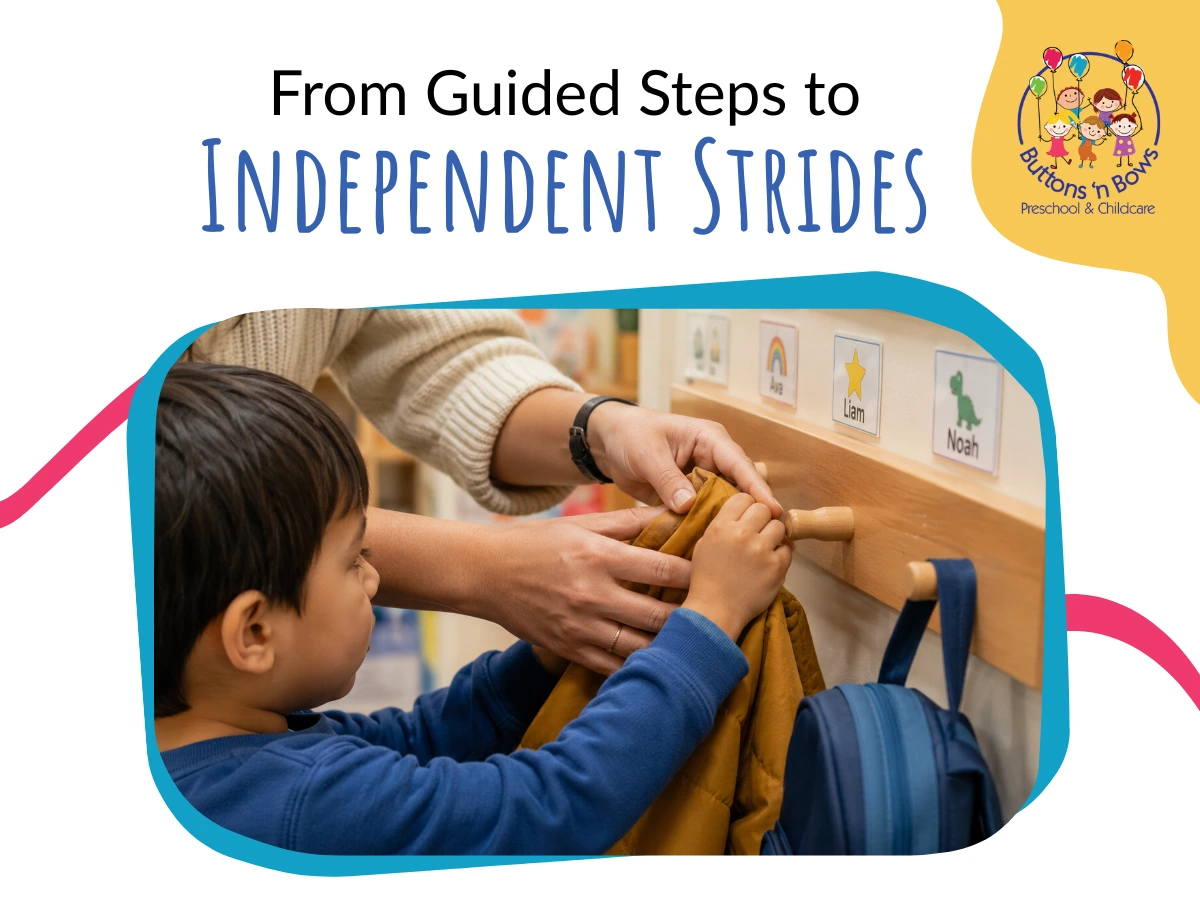
The second difference shows up in how much independence we expect and encourage in the classroom.
Nurturing Early Skills in Preschool
In preschool, independence is gently scaffolded. Teachers stay close, offering reminders and hands-on help with nearly everything. Hanging up a coat, choosing an activity, or cleaning up toys all happen with plenty of guidance. The goal is simply to introduce the idea that children can do things for themselves.
Fostering Autonomy in Pre-K
By pre-k, that scaffolding starts to come down. Children are encouraged to manage their belongings, transition between activities with less prompting, and make choices during free play with growing confidence. They learn to raise their hand, wait for a turn to speak, and follow multi-step directions like “put away your blocks, then find your spot on the rug.”
This shift matters enormously for kindergarten. A child who can navigate a classroom independently walks into that first big year with calm and confidence instead of overwhelm. We watch this growth happen every single year, and it never stops being remarkable. That growth also shapes the next difference: emotional growth.
3. Emotional Growth Deepens and Matures
Whether you are deciding on a preschool or pre-k environment, emotional development is often the difference that surprises parents the most. To see how these expectations shift at a glance, look at how the social-emotional milestones differ between the two stages:
| Developmental Focus | Preschool Framework (Ages 3–4) | Pre-K Framework (Ages 4–5) |
| Peer Interaction | Shifting from parallel play to early cooperative play. | Collaborative team building and sustained group projects. |
| Conflict Resolution | Learning basic sharing and turn-taking with teacher help. | Start resolving peer disputes independently using language. |
| Emotional Regulation | Identifying and labeling primary emotions (happy, sad, mad). | Managing impulses and practicing early empathy for others. |
The Preschool Foundation
Preschool is where the emotional foundation gets built. Children are just beginning to understand that other people have feelings too. They practice sharing, taking turns, and using words instead of grabbing or crying. Big emotions are completely normal at this stage, and a good preschool program treats every meltdown as a learning moment rather than a problem.
The Pre-K Community
In pre-k, emotional skills become more sophisticated. Children move from simply identifying feelings to managing them. They start to resolve small conflicts with friends, show empathy when someone is upset, and bounce back from disappointment with a little more grace. Cooperation becomes second nature, and friendships grow richer and more intentional.
We see this maturity bloom during shared experiences, especially in the bigger-group moments. When children participate in something like a Winter Program or a Halloween Parade, they are not just having fun. They are building the structural confidence that comes from belonging to a community, performing in front of others, and feeling proud of what they accomplished together.
4. Enrichment Expands in Variety and Depth
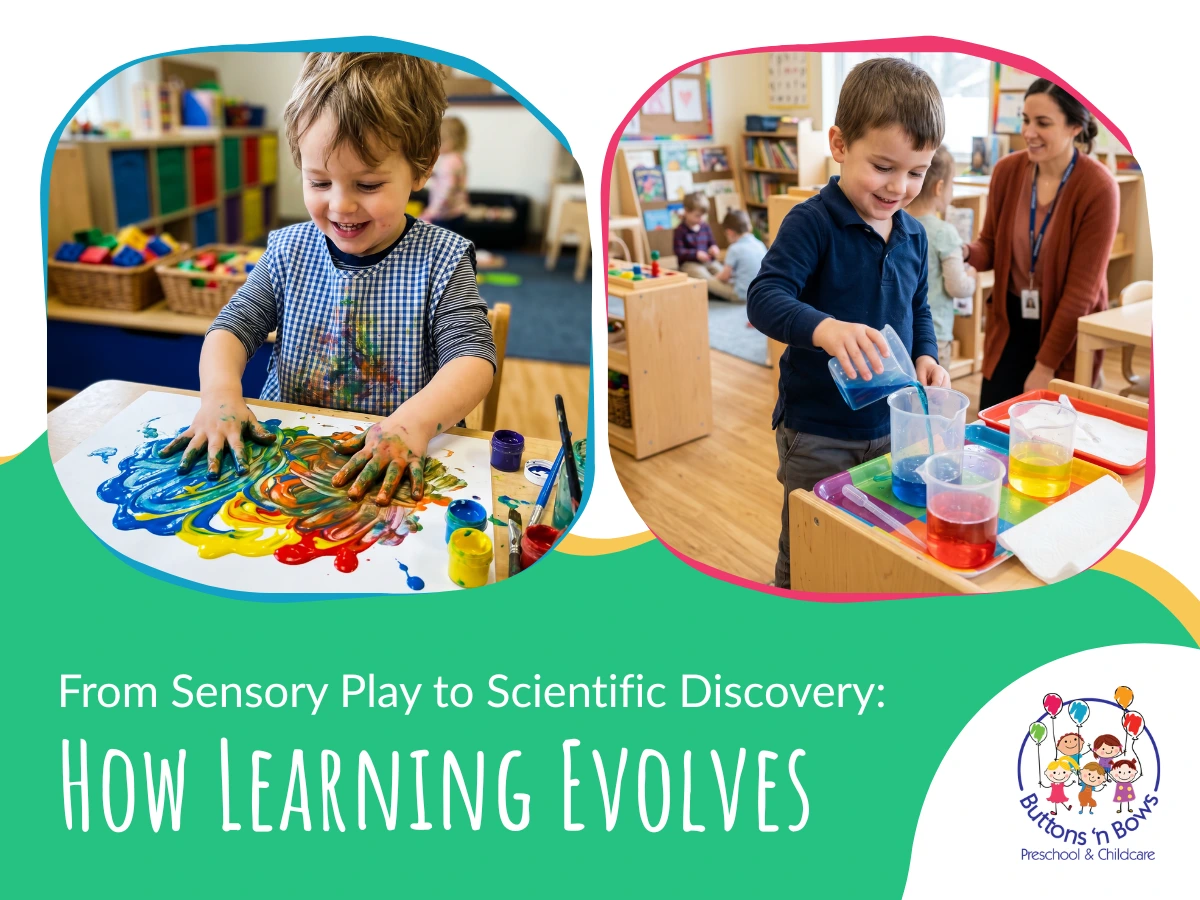
The fourth difference comes down to enrichment. Both preschool and pre-k benefit from hands-on, experiential learning, but the depth and variety grow as children get older.
- The Sensory Approach (Preschool): Younger preschoolers thrive on sensory play, music, movement, and simple discovery. Everything is about exploring the world through their senses and following their curiosity wherever it leads. A 3-year-old loves watching colors mix together or splashing happily in water play.
- The Analytical Approach (Pre-K): As children enter the pre-K years, enrichment opportunities expand as their attention, coordination, and problem-solving have matured. This is where activities like kids’ yoga and hands-on science workshops thrive. Furthermore, during our dynamic summer camp sessions, these skills are applied in active swimming lessons. A pre-k child can begin learning actual swimming mechanics rather than just wading, connecting early spatial awareness to real-world environments.
The activity might look similar on the surface, but the learning underneath is worlds apart. This is the heart of developmentally appropriate practice, and it is why learning truly is fun when it meets a child at the right moment.
5. How Does Family and Teacher Collaboration Shift?
The final difference is often overlooked, yet it shapes everything. The way families and teachers work together evolves as a child progresses through early childhood education, and that shift becomes more intentional in pre-k.
Daily Well-Being Focus
In preschool, communication tends to center on the daily operational basics. How did my child behave after the morning drop-off hesitation? Did they eat? Are they making friends? These daily updates reassure parents during a season that can feel like a big adjustment for everyone.
Future-Focused Strategy
By pre-k, the conversation grows into a genuine partnership focused on kindergarten readiness. Teachers and parents share observations about focus, social skills, and areas where a child is blossoming or needs a little extra support. Together, you create a plan that helps your child step into kindergarten ready and excited.
The strongest programs make this partnership feel like family. When parents are invited into the experience through events like parent date nights, holiday gatherings, and classroom celebrations, the trust between home and school deepens. That connection is not a nice extra. It is one of the most reliable predictors of how confidently a child will grow.
Frequently Asked Questions About Early Learning
Is Pre-K mandatory for children in Utah?
No, Pre-K is an optional educational tier. However, it is highly recommended for children aged 4 to 5 to build the social, physical, and behavioral stamina required for a seamless transition into elementary school routines.
What is the primary difference between preschool and pre-k?
The core difference lies in the educational approach and structural expectations. Preschool prioritizes foundational socialization and play-based discovery for 3- to 4-year-olds, while Pre-K focuses on advanced independence, emotional self-regulation, and specific kindergarten-readiness milestones for 4- to 5-year-olds.
Can a child skip preschool and go straight into Pre-K?
Yes. While a preschool foundation provides an excellent head start on classroom routines, placement in a Pre-K track is ultimately determined by a combination of age and holistic developmental readiness indicators rather than past classroom history.
Why Buttons ‘N Bows Is the Right Place for This Journey
Now that you understand what truly separates these two stages, here is why so many families in Holladay and Salt Lake County trust us with this important chapter.
For more than 40 years, our school has been an integral part of this community, and we have been proudly owned and run locally by Ali and Dan Dedman since 2019. That family-first dedication shows up in everything we do, from the warmth of our classrooms to the way we celebrate your child’s smallest victories. We are so much more than a daycare, and we mean it.
Our Preschool Program for ages 3 to 4 and our Pre-Kindergarten Program for ages 4 to 5 are built around the exact milestones we walked through above. We honor real readiness rather than rigid cutoffs, nurture independence at every step, and offer rich, hands-on enrichment that helps children fall in love with learning. Yoga, science workshops, seasonal field trips, and joyful community events are woven right into the experience.
You can also rest easy knowing safety comes first. Every member of our team is 100 percent CPR and First Aid certified, so your child is cared for by educators who are as prepared as they are passionate. Most importantly, we never lose the magic of childhood just because we are preparing children for kindergarten. The play, the laughter, and the wonder all stay right where they belong.
We would love to welcome your family into our community. We invite you to experience our classrooms in real time, see these beautiful differences in action, and discover the profound impact that more than 40 years of heart can have on your child’s early education.
Ready to find your child’s second home? We invite you to experience our community firsthand. Schedule your personalized tour of our Holladay center today to meet our dedicated team and discover how our programs can inspire a lifetime love of learning for your child!