Summer has a way of turning bedtime into a suggestion and breakfast into an event that happens at a different time each day. But as the new school year approaches, swapping carefree mornings for backpacks and drop-offs can feel like a big adjustment for both young children and parents.
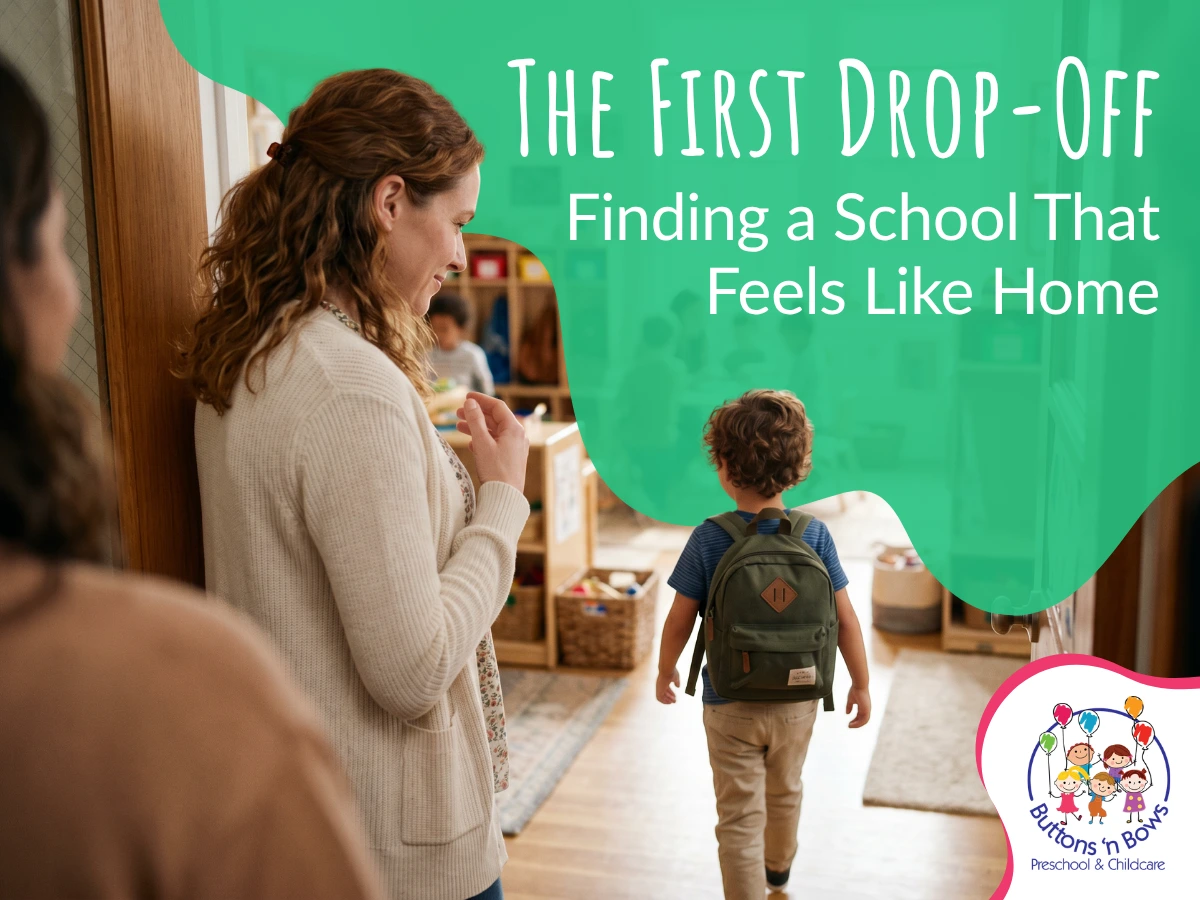
At Buttons ‘n Bows Preschool & Childcare, we have seen the wobbles, the morning tears, and that proud moment when a child walks into the classroom on their own two feet. Establishing thoughtful back to preschool routines can help children move from summer freedom into the school year with greater confidence.
Whether your child is returning to our cozy Buttons ‘n Bows Holladay preschool location or stepping into a classroom for the very first time, here is how you can help them ease into the school rhythm gently.
Why the Preschool Transition After Summer Feels So Big
As parents know, young children thrive on predictability. During the summer, routines naturally loosen. Naps drift, bedtimes slide later, and days are filled with spontaneous trips to the park.
The challenge arises when a child’s internal clock has been running on vacation time, and school requires a structured pace again. A young child cannot always articulate that they feel overtired or anxious about a new schedule, so those feelings often surface as morning resistance, tearful goodbyes, or a stomachache that mysteriously appears at breakfast.
Understanding this helps us respond with patience. A difficult adjustment period is not a sign of a problem; it is simply a child’s nervous system catching up to a new rhythm, which naturally takes a little time.
Start Small, Start Early: Rebuilding Sleep and Morning Habits
Adjustments are generally easier when you give your family a week or two of preparation before the first day of school.
Many children respond more comfortably to small, gradual changes than to an abrupt schedule shift. Try moving bedtime and wake-up schedules earlier by 10 to 15 minutes every few days until you reach your target school-morning timeframe.
A calm, repeatable evening routine signals that the day is winding down:
- Dimming bright lights and putting away active screens an hour before bed
- Enjoying a warm bath or quiet winding-down time
- Reading a favorite book together
- Turning off lights at a consistent time
You can also prepare for the school-day rhythm with a few simple daytime adjustments:
- Practice the morning flow: Try getting dressed, eating breakfast, brushing teeth, and preparing to leave at the same pace your family will need on preschool mornings.
- Gradually reduce screen time: Replace some summer screen time with quieter activities such as puzzles, drawing, reading, or building with blocks.
Adequate rest can make it easier for children to listen, manage small frustrations, and cope with morning transitions.
A little weekend flexibility is perfectly reasonable, but keeping wake-up times, meals, and bedtime within a familiar range can help the new routine become more consistent.
A 7-Day Back-to-Preschool Reset Plan
You do not need to change your entire family schedule in a single day. This simple seven-day plan introduces one manageable step at a time, helping your child become familiar with the routines they will use during the school year.
7 Days Before: Adjust Bedtime
Move bedtime and wake-up time 10 to 15 minutes earlier. Continue making small adjustments every few days until your child is close to the schedule they will follow on preschool mornings.
6 Days Before: Practice the Morning Flow
Complete a trial run of getting dressed, eating breakfast, brushing teeth, putting on shoes, and preparing to leave the house. This can help you identify which parts of the morning require more time.
5 Days Before: Introduce the Visual Routine
Create a picture chart showing the steps your child will follow in the morning and evening. Let your child help draw the pictures or choose images so the chart feels familiar and personal.
4 Days Before: Practice Independence Skills
Spend time opening water bottles and snack containers, putting on a backpack, washing hands, managing shoes, or cleaning up toys. Keep the practice light and encouraging.
3 Days Before: Talk About the Preschool Day
Discuss preschool in positive, matter-of-fact language. Talk about familiar activities such as stories, art, outdoor play, music, and spending time with teachers and classmates.
2 Days Before: Prepare Belongings
Choose clothing, organize the backpack, prepare the water bottle, and place shoes near the door. Involving your child in these tasks can give them a sense of ownership.
1 Day Before: Keep the Evening Calm
Avoid packing the evening with too many activities. Follow a familiar bedtime routine, share a reassuring conversation about the next day, and allow enough time for rest.
The First Morning: Follow the Routine Confidently
Use the visual schedule, allow extra time, and keep your goodbye short and loving. The morning does not need to be perfect. A calm and consistent approach gives your child a reassuring starting point.
Reintroducing a Preschool Daily Schedule at Home
A predictable home rhythm helps children feel secure throughout the day. While you don’t need to recreate a formal classroom setting, establishing a consistent daily routine at home can give your preschooler a sense of stability and comfort:
- Consistent Waking and Meal Times: Serving breakfast, lunch, and snacks at regular intervals keeps energy levels steady.
- Quiet Rest Period: Reintroducing a quiet period in the early afternoon, whether for sleep or calm book reading, helps children recharge.
- Outdoor Play: Giving children dedicated time to run, jump, and play outside satisfies their physical energy needs before quieter activities.
- Evening Preparation: Preparing backpacks, water bottles, and clothing the night before prevents rushed decisions during the morning departure.
While your home schedule does not need to copy school exactly, a predictable daily rhythm makes moving into the classroom environment feel much smoother.
How Visual Cues Help With Adjusting to Preschool Routines
When adjusting to preschool routines, visual reminders offer a simple, concrete guide for young learners. You can create a simple picture chart on the refrigerator showing the morning and evening steps:
Morning Flow:
- Wake up
- Get dressed
- Eat breakfast
- Brush teeth
- Put on shoes
- Grab backpack
Evening Flow:
- Unpack backpack
- Eat dinner
- Bath time
- Story time
- Sleep
When your child asks what comes next, invite them to check the chart with you. This simple habit encourages independence and mirrors the visual schedules commonly used in early childhood classrooms.
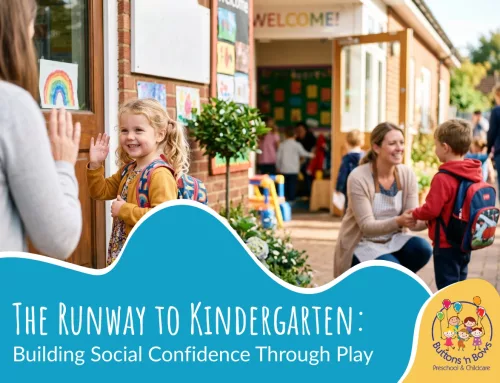
Short, Confident Goodbyes
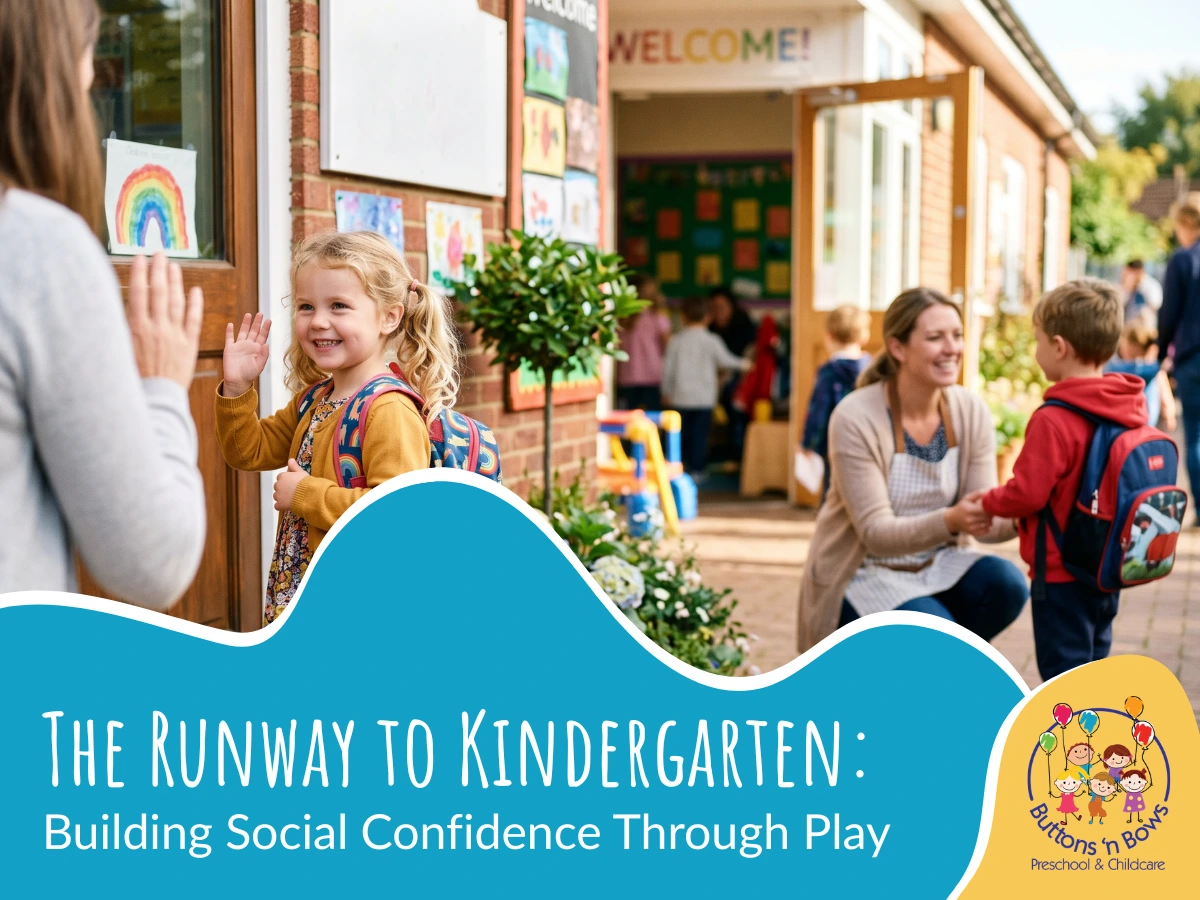
Goodbyes can be emotional after a long break together. Keeping farewells brief, warm, and confident helps reassure your child. A quick hug, a loving phrase like “I love you, and I will see you after afternoon snack,” and a steady exit signal that you trust the classroom team.
It can also help to name your child’s feelings without trying to change them immediately. Saying, “You feel sad that I am leaving, and it is okay to feel that way,” lets your child know that their emotions are understood while still keeping the goodbye routine steady.
Our teachers also use the MyProcare parent portal to share photos and updates, giving families a reassuring connection to their child’s day.
At-Home Activities That Build Classroom Independence
While routines provide structure, self-help skills give children the practical confidence to navigate their day. Our teachers often see that self-help skills make an important difference in a child’s daily confidence at school.
These everyday tasks help children handle small frustrations, remember familiar steps, and feel proud of what they can do independently.
1. The “Coat Flip”
Putting on a jacket can feel tricky for little hands. The coat flip empowers toddlers to do it on their own:
- Lay the jacket flat on the floor with the collar at your child’s feet and sleeves spread wide.
- Have your child stand near the collar, slide their hands into the sleeves, and flip the jacket over their head.
2. Snack Container and Water Bottle Practice
During the final weeks of summer, practice opening water bottles, snack containers, and any other items your child may use independently. This small habit helps children participate more confidently during meals and snacks.
3. Dressing Practice
Opt for shoes with Velcro straps or slip-ons while your child learns to manage footwear. Make getting dressed a lighthearted moment by playing a favorite song and seeing if they can finish before the music ends. If a shirt ends up backward, celebrate the effort first—confidence grows through practice.
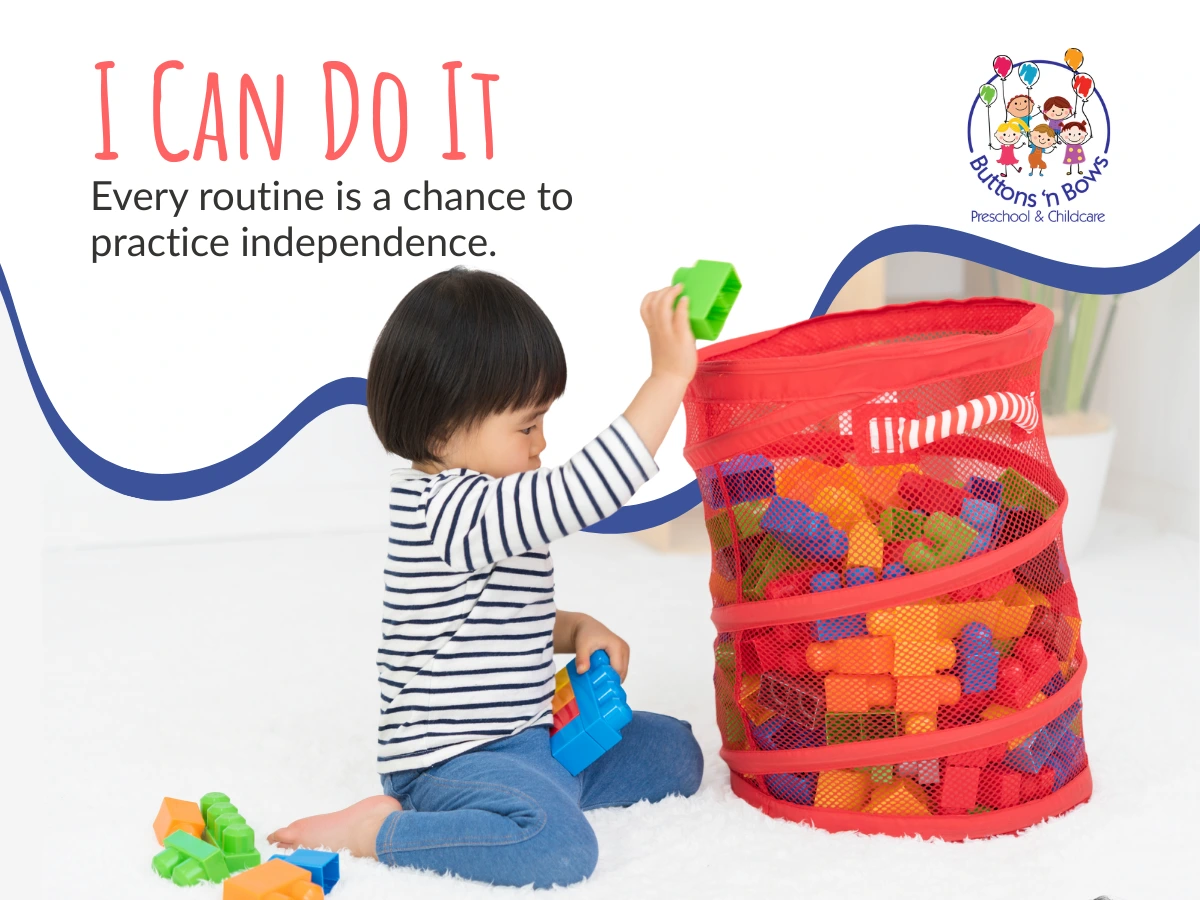
4. Simple Clean-Up Tasks
In early childhood classrooms, toys have specific storage locations. Replicate this by putting simple picture labels on toy bins at home and inviting your child to sort items by type or color during clean-up time.
5. Backpack and Handwashing Practice
Invite your child to practice putting on and taking off their backpack, carrying it safely, and placing it in a designated spot. You can also review independent handwashing by helping them remember to use soap, scrub carefully, rinse, and dry their hands. These familiar steps can help children participate more confidently in everyday classroom routines.
What Teachers Notice During the First Week
Children do not always behave the same way throughout every part of the transition. A child who cries at the classroom door may begin playing shortly after their parent leaves. Another child may walk in confidently but need extra reassurance during rest time, transitions, or the end of the day.
Teachers may also notice children watching classroom activities before joining, asking repeated questions about pickup, becoming tired earlier than usual, or needing reminders about routines they previously followed comfortably. These responses can be part of becoming familiar with the classroom rhythm again.
The first week is not about expecting every child to settle immediately. It is about observing what helps each child feel safe, connected, and ready to participate.
Communication between families and teachers is especially valuable during this period. Sharing information about sleep, morning behavior, separation, and after-school emotions allows parents and teachers to compare what is happening at home, at drop-off, and throughout the school day. Together, they can provide consistent reassurance and adjust their approach when needed.
Frequently Asked Questions About Preschool Transitions
How long does it usually take for a child to adjust to preschool routines?
Every child adapts at their own pace. Some children become comfortable within a few days, while others need several weeks of consistent routines and reassurance. Maintaining steady morning habits, sleep schedules, and drop-off routines can help the transition feel more manageable.
What should I do if my child cries at preschool drop-off?
Morning tears are a very common part of the preschool transition after summer. The best approach is to keep your goodbye routine short, warm, and confident. Give a quick hug, let them know when you will return, such as “I will see you after afternoon snack,” and make a steady exit. Experienced teachers are skilled at comforting children and guiding them into classroom activities soon after drop-off.
If your child continues to experience significant distress, speak with their teacher so you can compare what is happening at drop-off, during the day, and at home.
How far in advance should we begin back to preschool routines?
Starting one to two weeks before the first day of school gives your family a comfortable runway. Gradually shifting bedtimes and wake-up schedules earlier by 10 to 15 minutes every couple of days allows your child’s internal clock to adjust gently without feeling abrupt.
What if my child is extra tired or emotional after the school day?
It is common for children to show extra tiredness, clinginess, or irritability during the first few weeks of school. Navigating new group routines, social interactions, and expectations requires a lot of emotional energy. Offering a quiet space, a healthy snack, and a little extra downtime after coming home helps them recharge.
How Buttons ‘n Bows Supports a Smooth Preschool Transition in Holladay
Every child adapts to school at their own pace. Located in a charming, converted residential home on 2600 East, our Holladay center offers a warm and home-like setting where children feel safe to learn, explore, and grow.
Our play-based curriculum balances structured activities with creative play, incorporating enrichment experiences like Spanish lessons, music, field trips, and hands-on discovery. Our team receives training in CPR, first aid, and developmentally appropriate practices, supporting thoughtful and nurturing care throughout the day.
A smooth return to preschool does not mean that every morning will be free from difficult feelings. It means children have steady routines, caring adults, and enough time to build confidence one day at a time.
With consistent support at home and in the classroom, children can begin the new preschool year feeling secure, capable, and ready to participate. We invite you to schedule a personal tour of our Holladay center or call our team at (801) 278-8223 to ask about current classroom availability.