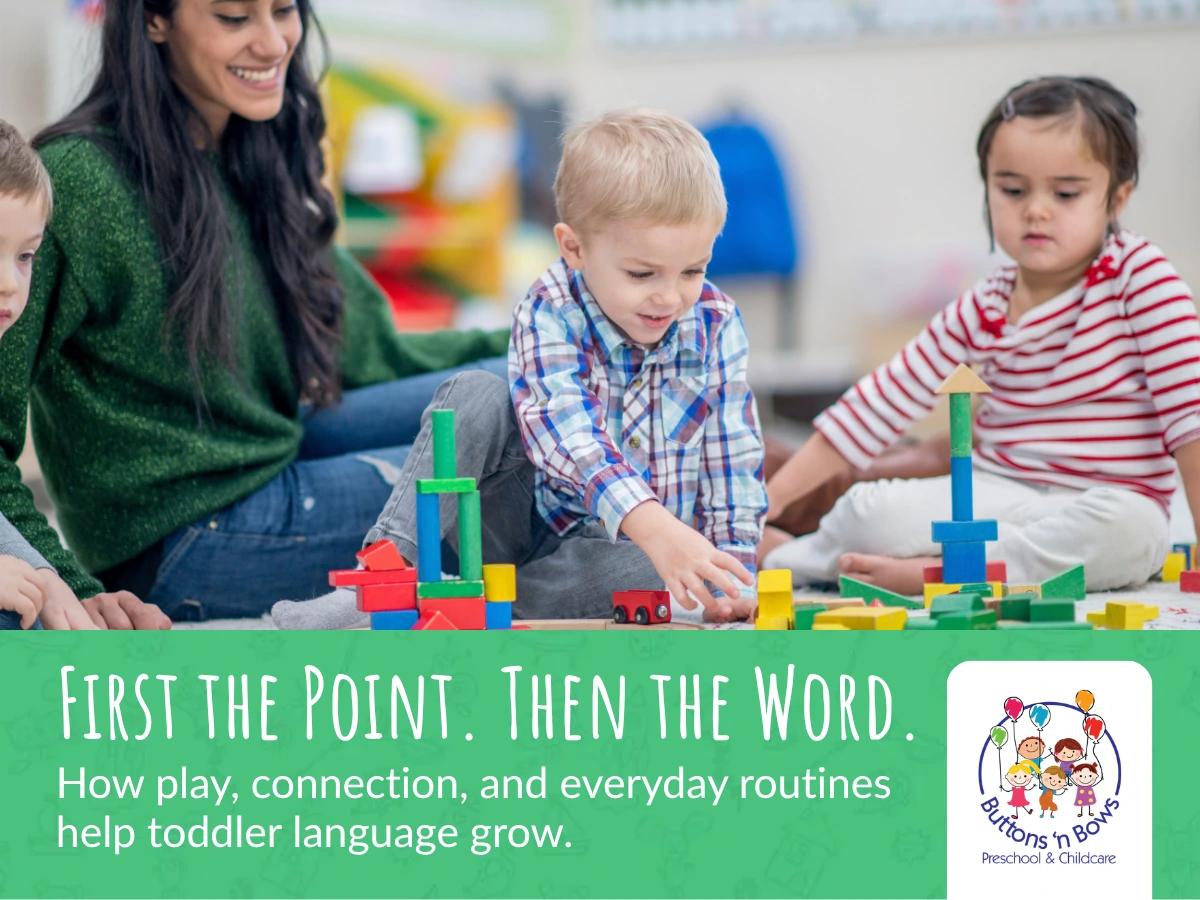
Two preschoolers. One basket of wooden blocks. Within seconds, there’s grabbing, a wail loud enough to rattle the windows, and a small hand reaching for the nearest teacher.
Moments like this happen in preschool classrooms every day. That tug-of-war over a toy is often where a child’s first real lesson in friendship begins.
What are preschool conflict resolution skills? Preschool conflict resolution skills are the early social abilities young children use to work through disagreements with peers. They include using words instead of hands, naming feelings, taking turns, finding solutions, and reconnecting after a disagreement.
Children ages 3 to 5 build these skills gradually, with patient guidance from teachers and parents. Over time, these skills help lay the foundation for healthy friendships and social relationships.
Here’s a closer look at how preschoolers learn to solve conflicts and why it matters.
Why Conflict Is a Normal Part of Preschool
If your three-year-old comes home with a story about someone who “wouldn’t share,” you’re in good company. Disagreements are a healthy, expected part of early childhood.
Preschoolers are still developing language, impulse control, and the ability to see things from someone else’s point of view. Their wants are big and their patience is short. Put a group of curious children in one room with a few favorite toys, and some friction is likely.
That’s a good thing. A classroom with active, shared play will naturally include some disagreements. What matters most is how adults respond. When teachers guide children through conflict instead of simply ending it, kids gain tools they can carry to the playground, into kindergarten, and beyond.
What Conflict Resolution Looks Like in a Preschool Classroom
“Conflict resolution” can sound like something from a corporate training manual. For a four-year-old, it looks much simpler. Here are the core skills children practice during a typical preschool day:
- Using words instead of hands. Saying “I’m still using that” rather than pushing or grabbing.
- Naming feelings. “I’m mad because you knocked down my tower” is a big step for a preschooler.
- Taking turns. Waiting for the swing, the paintbrush, or a spot at the sensory table.
- Listening to a friend. Hearing that someone else wanted the toy, too.
- Finding a fair solution. Using a timer, building a second tower, or deciding to play together.
- Reconnecting after a disagreement. Checking on a friend or asking, “Want to play again?”
That last skill is easy to overlook, and it’s one of the most important. Strong preschool friendships aren’t the ones without bumps. They’re the ones where both children learn how to come back together afterward.
How Preschoolers Learn to Solve Conflicts
Picture this scene in the block corner. Sarah has built a garage. Liam wants to drive his car through it, but he crashes into the wall. Sarah bursts into tears.
A teacher could simply separate them. Problem solved, at least for the next five minutes. A more helpful approach usually sounds like this:
- Calm first. The teacher kneels to eye level and helps both children take a breath.
- Describe what happened. “Sarah, your garage fell. Liam, you wanted to drive your car in.”
- Hear both sides. Each child gets a chance to share how they feel.
- Ask for ideas. “What could we do so you both get what you want?”
- Try the solution. Maybe Liam helps rebuild the garage, this time with a bigger door.
Rather than immediately handing down a verdict, the teacher helps the children work toward a solution. That’s the heart of building problem-solving skills for children: adults coach, and children practice deciding. Of course, teachers still step in quickly when safety is at stake. Coaching works best when everyone is calm enough to think.
With enough practice, many children start running this process on their own. One day you may overhear your child say, “Let’s use the timer,” and realize they’ve been paying attention all along.
These moments feed directly into friendship. Children notice who listens, who plays fair, and who helps fix things when they break. Those are the kids they want to play with again tomorrow.
Cooperative Play in Preschool Is Where the Practice Happens
Children can’t learn friendship skills by reading about it. They need real, hands-on chances to practice.
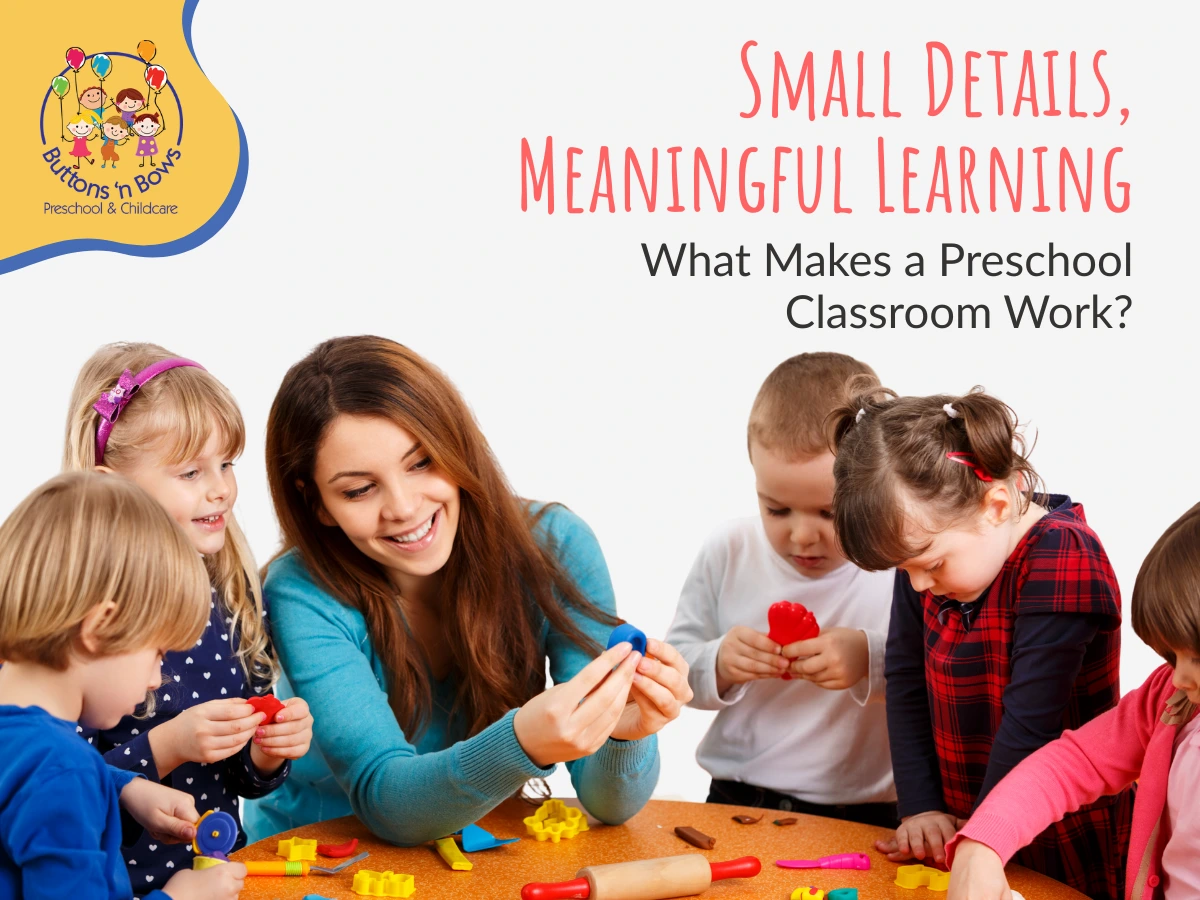
That’s why cooperative play in preschool matters so much. Classroom learning centers create natural opportunities for teamwork. In the dramatic play area, children run a pretend restaurant. At the block table, they build a fort together. At the art easel, they share a single cup of brushes. Along the way, they constantly negotiate:
- Who gets to be the chef?
- Where should the next block go?
- Can a new friend join the game?
- What happens when two kids want the same color?
Each tiny decision is a rehearsal for bigger social moments later. A shy child who learns to say “Can I be the customer?” instead of hovering at the edge has gained a skill that will serve them for years.
Play-based classrooms build these chances into the daily routine. Teachers set up activities that invite children to work together, then step back far enough to let kids figure things out, while staying close enough to help when frustration boils over.
Social-Emotional Learning Starts With Understanding Feelings
Underneath most preschool conflicts is a big emotion that a little body doesn’t yet know how to handle. Before children can solve problems with friends, they need help understanding what’s happening inside themselves.
This is where social-emotional learning comes in. Strong social skills for preschoolers tend to grow from a few emotional basics:
- Recognizing feelings. Knowing the difference between sad, frustrated, and disappointed.
- Calming down. Taking deep breaths, hugging a stuffed animal, or visiting a quiet corner of the classroom.
- Showing empathy. Noticing when a friend looks upset and caring about it.
Teachers help by naming emotions out loud and modeling calm responses throughout the day, whether during circle time, cleanup, or a tricky transition. When an adult says, “You look really frustrated. That puzzle piece won’t fit,” the child learns a word for that feeling. Next time, they might use it instead of throwing the puzzle.
This is what educators mean by whole-child development. Social, emotional, and cognitive growth work together. A child who can manage frustration can focus better, learn more, and connect with others.
How You Can Support These Skills at Home
Families play a big role here. A few simple habits can reinforce what your child practices in the classroom:
- Narrate emotions. “Your brother took your crayon, and that made you angry.”
- Pause before rushing in. When siblings argue and everyone is safe, try asking, “What can you two do?”
- Play turn-taking games. Board games, card games, and even rolling a ball back and forth build patience.
- Read stories about friendship. Ask questions like, “How do you think that character felt?”
- Notice reconnection. When your child checks on a friend, offers a solution, or returns to play after a disagreement, point it out.
Predictable routines at home help, too. Children handle frustration better when they know what comes next. Our post on preschool daily routines explains why consistency supports emotional regulation.
How Buttons ‘n Bows Supports Social Growth
At Buttons ‘n Bows, social growth is woven into how we teach. In our Stingrays preschool class for three-year-olds, getting along with others, sharing, routines, and group activities sit right alongside letters, numbers, and colors. It’s a whole-child approach, and it shows up in small moments all day long.
Our classrooms balance structured activities with child-led exploration, so children get real chances to practice problem-solving with friends during hands-on play. Teachers plan with Developmentally Appropriate Practice in mind, which means we meet children where they are and coach them through disagreements at a pace that fits their age.
You’re part of this process, too. We see parents as true partners, and we keep you connected through daily communication and family events, so the language your child hears at school can carry over at home.
The best way to understand our approach is to see it in person. Schedule a tour at our Holladay or Cottonwood Heights location. Meet our teachers, watch cooperative play in action, and bring your questions about how we guide children through conflict.
We’d love to meet you and your little one!