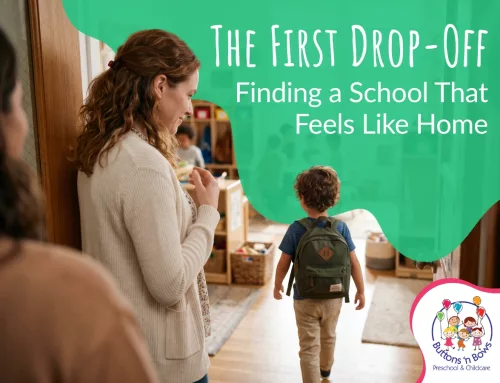
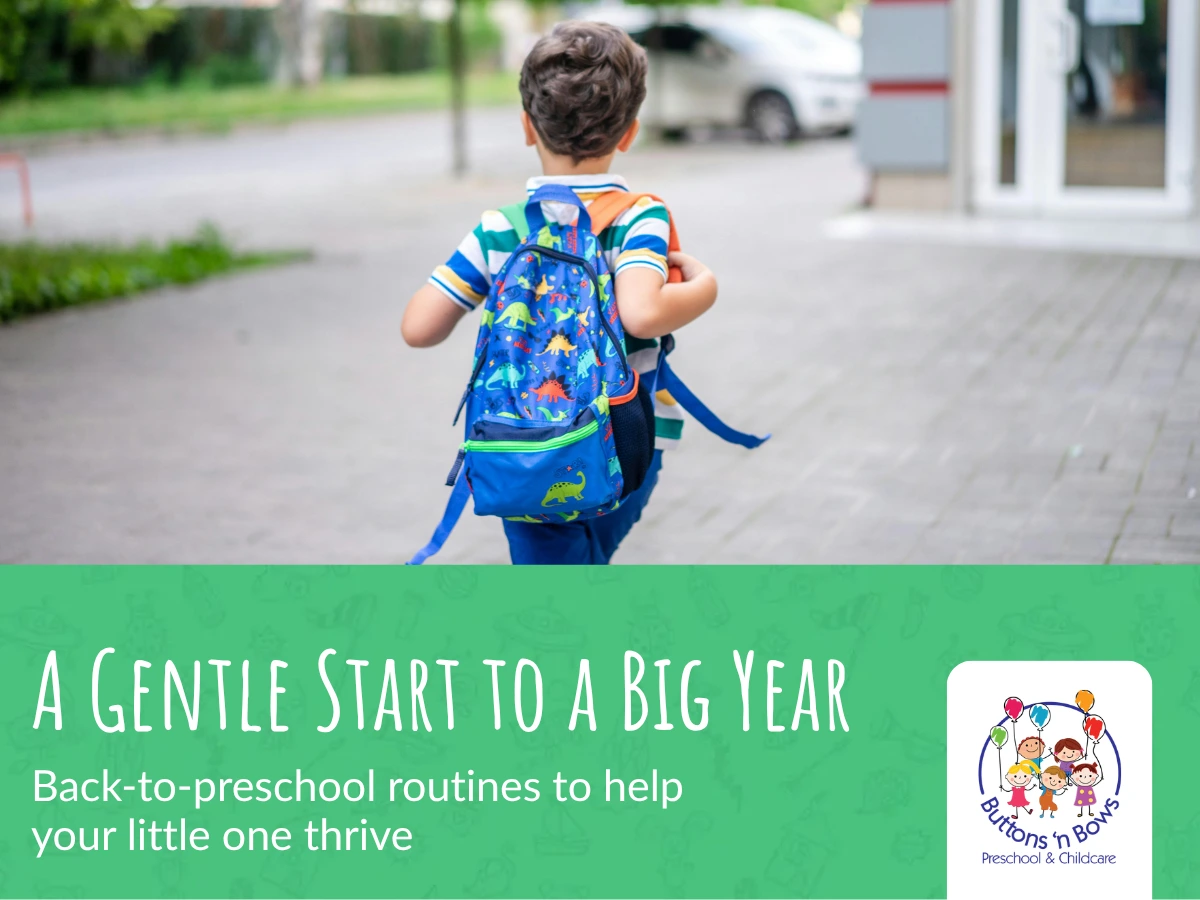
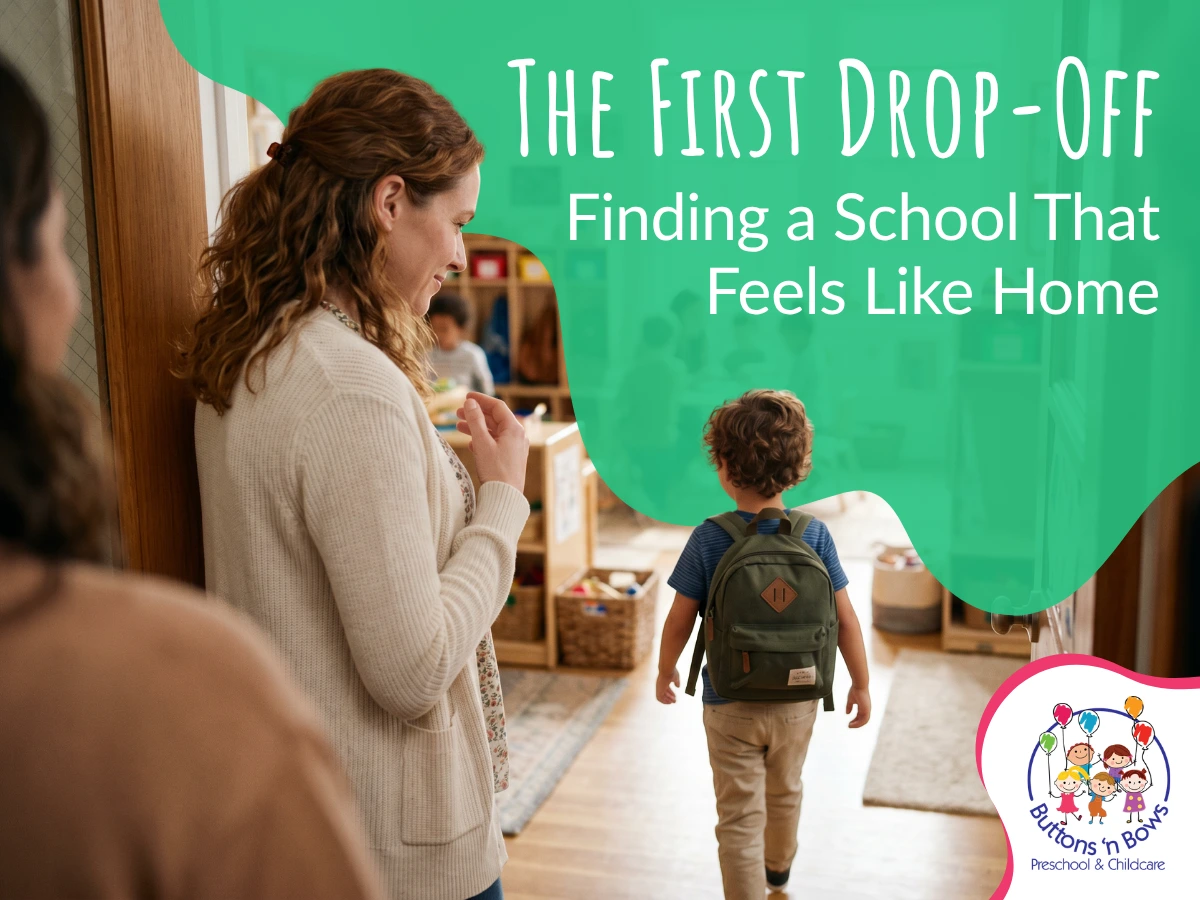
On the first morning of preschool, arrival can look like a string of tiny instructions. A teacher points to the hooks, reminds your child where the backpack goes, and gently walks them through each small step of settling in. Fast forward a few weeks, and the same child breezes in, hangs up their coat, drops off their bag, and heads to the rug without much prompting. That shift is exactly where preschool daily routines and independence meet.
The routine didn’t flip a switch. Repetition gave your little one enough chances to practice that they slowly took over the steps themselves. It’s something families at a preschool in Cottonwood Heights often notice happening quietly, over weeks, without fanfare.
Most parents already know preschool runs on some kind of schedule. What’s less obvious is how those familiar sequences hand children more responsibility over time. This post walks through how that happens, what real independence looks like day to day, and what to watch for when you tour a program — so you can feel more confident about the choice ahead.
Why Predictability Comes Before Independence
Independence starts with knowing what to expect. When your child can anticipate the shape of the morning, they spend less energy figuring out what’s happening and more energy actually participating.
Think of a familiar routine as a script your child gradually learns by heart. The first few times, an adult narrates every line. After enough repetition, your little one starts filling in the next part before anyone says a word. Predictable routines don’t erase every jitter, and they aren’t a fix for a hard morning. But they give children a dependable framework to lean on while they build skills.
Here’s what that looks like in practice. A child hesitates at the cubby, unsure what comes next. Instead of doing it for them, a good teacher kneels to eye level and offers a small cue: “Coat first, then your bag.” The child manages the rest. That gentle nudge, repeated day after day, is where confidence grows.
How a Preschool Classroom Routine Becomes Practice
Here’s the part that often goes unnoticed: the ordinary moments carry the most learning. Arrival, cleanup, snack, and moving between activities aren’t just logistics. Each one is a repeated chance for your child to do a little more without help.
A preschool classroom routine works because the same steps come around again and again.
Consider something as small as putting materials away after playtime. At first, a teacher might walk a child through it. With enough repetition, your child begins reaching for the bin on their own, then remembering where it goes, then handling the whole task with just a quick reminder.
That pattern repeats across the day:
- Arrival: hanging up a coat and stowing a backpack
- Snack or meals: clearing a plate and cleaning up a spot
- Cleanup: returning toys and materials to the right place
- Transitions: wrapping up one activity and getting ready for the next
None of these look like formal lessons, which is exactly why they work.
Everyday Independence Skills for Preschoolers
When parents picture independence, they often think of self-care like dressing or handwashing. Those matter, but the independence skills for preschoolers stretch wider. A big part of growing up is learning to participate, make choices, and know when to ask for help.
During a typical preschool day, children get to practice things like:
- Managing their own belongings
- Clearing a plate or packing a bag
- Making simple choices, such as which center to visit
- Joining group activities and taking turns
- Working through small problems, sometimes with a little coaching
- Asking a teacher for help when they’re stuck
That last one deserves a spotlight. Independence isn’t the same as doing everything alone. A child who recognizes they need help and knows how to ask for it is showing real growth, not falling short of it.
It’s also worth remembering that children reach these milestones on their own timelines. Preschoolers vary considerably in how many reminders they need, especially when routines are still new. Steady practice matters more than expecting immediate independence.
What If Your Child Is Struggling to Adjust?
If your little one cries at drop-off, clings to you, or struggles with transitions, it doesn’t automatically mean something is wrong. Adjusting to a new classroom routine can take time, and children vary considerably in how quickly unfamiliar settings begin to feel comfortable.
A child who has never had to hang up their own coat or clear their own plate is simply starting from a different place, not a worse one. What helps most is a patient, familiar environment paired with teachers who understand that adjustment takes time. When staff knows your child as an individual, they can meet a shy or easily overwhelmed little one where they are, offering more support at first and easing off as comfort grows.
Structure and Child Choice Can Work Together
A common worry is that a routine-heavy classroom leaves no room for a child’s own curiosity and interests. It’s a fair concern, but structure and choice tend to work better together than against each other. Structured routines can create a framework where choice feels more manageable. When your child understands the basic flow of the day, they can focus more readily on the decisions within it.
Picture your little one who knows that after cleanup comes center time. That predictability is what lets them confidently choose the block area over the art table. The structure holds the day steady while the choices give children a real sense of ownership.
Buttons ‘n Bows leans into this same balance. Our curriculum pairs structured activities and early academics like letters and numbers with child-led exploration, encouraging children to explore, make choices, and experiment as part of the day.
Transitions Are Practice Too
Moving from one activity to the next is often where preschool days wobble, and it’s completely normal. Yet transitions are some of the richest chances for children to practice independence.
Think about the shift from free play to circle time. In a well-run room, children learn the cues: a song, a bell, a familiar phrase. Over time, they start wrapping up and heading to the rug before a teacher has to guide each child individually. Along the way, they practice self-regulation, follow multi-step directions, and manage their bodies through change.
Buttons ‘n Bows treats transitions with that same intention, planning for them as a meaningful part of the day rather than dead time to hurry through. When those moments are steady and supported, children get repeated practice at handling change with fewer reminders.
Why Adult Support Should Change Gradually
Independence at this age builds slowly, and adults play a key role in the process. It doesn’t come from stepping back and expecting your preschooler to manage grown-up responsibilities on their own.
In everyday terms, support tends to fade in stages. A teacher might first show your child how to pack a bag, then remind them, then offer a quick prompt, then simply watch as they handle it. The support doesn’t disappear all at once. It shrinks as your child grows ready for more, and it comes back when a new challenge shows up.
That gradual shift fits naturally with what Buttons ‘n Bows emphasizes at its core: belonging, confidence, and meaningful relationships between teachers and children. It’s the kind of environment where growing more capable doesn’t mean going it alone.
What to Look for When You Tour a Preschool
Reading about routines is one thing. Knowing whether a school actually does this well is another. When you visit a program, the classroom itself will tell you a lot. Here’s a short checklist of signs of a good preschool worth watching for:
- Do teachers give children time to try before stepping in? Look for adults who wait a beat and offer a cue rather than taking over.
- Are children expected to do small things for themselves? Notice whether kids manage their own belongings, clean up, and move through routines.
- Do adults get down to the children’s level? Watch for teachers who kneel to eye level and use a respectful, warm tone.
- Do routines feel calm and familiar rather than chaotic? Keep in mind a good classroom isn’t silent — active play makes noise — but the flow should feel purposeful.
- Are children making real choices within the day? See if kids pick their own centers and materials.
- Do teachers guide conflict patiently? Look for coaching through disagreements rather than quick fixes handed down from above.
One more thing to trust: your gut about whether the children seem happy and the teachers seem glad to be there. That feeling matters as much as any single item on the list.
Before Your Next Tour: A Quick Parent Takeaway
If you carry just a few things into your search, make it these. First, expect independence to build slowly, in small steps, on your child’s own timeline. Second, a rough start doesn’t mean a wrong fit. Third, when you visit a school, watch how teachers support children rather than how polished the room looks. Those three habits will tell you more than any brochure.
What This Looks Like at Buttons ‘n Bows
Independence isn’t a single milestone your child crosses on a certain birthday. It’s built from dozens of small, repeated moments: recognizing a familiar cue and heading to the rug, asking a teacher for help when stuck, joining a group activity without much coaxing, working through a disagreement with a little coaching and a lot of heart.
At Buttons ‘n Bows, those ordinary moments are treated as real learning. Consistent routines, purposeful play, and child-led choices shape each day, from arrival to pickup. Throughout it all, the focus stays on the whole child, so children feel seen, valued, and supported as they grow socially and emotionally alongside their early academics.
If you’re curious about what that looks like up close, we’d love for you to come see it yourself. Tour a classroom, observe how the day flows, and ask how teachers support children as they become more comfortable with familiar routines. Schedule a visit with Buttons ‘n Bows today and see how your child could settle in, grow confident, and start doing a little more on their own each week.
===
Frequently Asked Questions
What if my child finds changes in routine difficult?
Some children need more time and support when plans change, especially if they rely heavily on familiar routines. Teachers can make changes easier by giving children a simple warning, explaining what will happen instead, and offering extra reassurance during the transition. If your child struggles with changes regularly, it can also help to ask their teacher what strategies are working well in the classroom so you can use similar language at home.
Can visual schedules help my preschooler follow routines?
Yes, visual schedules can be very helpful for young children because they make the day easier to understand. Pictures or simple symbols can show what is happening now and what comes next, which may reduce the need for repeated verbal reminders. If your child responds well to visual cues at preschool, you could also try a simple picture routine at home for mornings, bedtime, or getting ready to leave.
How can preschool routines help prepare my child for kindergarten?
Preschool routines give children repeated practice with many of the everyday skills they will use in kindergarten. These can include putting away belongings, listening for instructions, moving between activities, participating in a group, making simple choices, and completing manageable tasks with less adult help. Kindergarten readiness is not only about letters and numbers. Feeling comfortable with familiar routines and knowing how to participate in a classroom can also make the transition easier.